How Much Do Solar Panels Cost in the UK? Realistic Factors to Consider

If you're seriously considering solar panels for your home, one question sits at the top of the list: how much is this actually going to cost?
It's not a straightforward number. Solar panels UK costs in the depend on your roof, the system size you need, the
components you choose, and who installs it. Online estimates range wildly,
which doesn't help when you're trying to budget sensibly.
At Evergreen Power, we've been installing
solar systems for UK homeowners for over 13 years. We know the market, and we
know that clarity matters more than sales tactics. So let's break down what
actually affects the price of a domestic solar installation—and how to think
about value, not just cost.
What
Does a Typical Solar Installation Cost?
Residential solar panel systems in the UK
generally fall within a broad price range.
·
3 kWp system: £5,995 – £6,995
·
4 kWp system: £7,995 – £8,995
·
5 kWp system: £9,000 – £10,495
These figures typically include panels,
inverter, mounting equipment, and installation labour. VAT on residential solar
has been reduced to 0% for qualifying installations.
Keep in mind: the cheapest quote isn't
always the best value. Quality of components, warranty terms, installer
expertise, and aftercare all affect what you're really getting for your money.
What
Factors Affect Solar Panel Prices?
Several variables determine what you'll
pay. Understanding them helps you compare quotes fairly.
System
Size (kWp)
The more panels you install, the higher the
upfront cost. System size is measured in kilowatt-peak (kWp), which indicates
the maximum output under ideal conditions.
Bigger isn't always better—you need enough
capacity to cover your electricity use without overspending on panels you won't
fully utilise. A good installer will size the system to match your consumption.
Panel
Quality and Efficiency
Not all solar panels are equal.
Higher-efficiency panels generate more electricity per square metre, which
matters if roof space is limited. Premium panels also tend to come with longer
warranties and better performance guarantees.
You might pay more upfront for quality, but
you'll often see better returns over the system's lifespan.
Inverter Type
The inverter converts DC electricity from
your panels into AC for household use. Options include:
String
inverters: Most common, cost-effective, suitable
for roofs without shading issues
Microinverters: One per panel, better for partially shaded roofs, typically more
expensive
Hybrid
inverters: Can manage Tesla Powerwall 3 UK battery storage too, useful
if you plan to add a battery later
Your
choice affects both price and long-term performance.
Roof
Complexity
Straightforward installations on
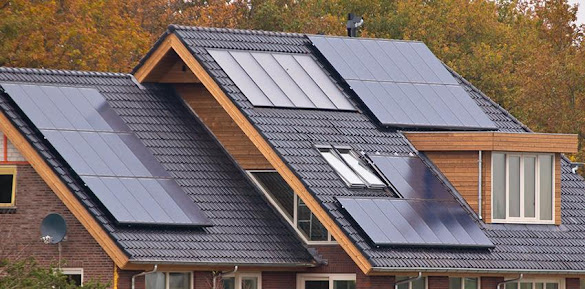
accessible, single-plane roofs cost less. If your roof has multiple angles,
dormers, skylights, or requires scaffolding, expect higher labour costs.
Some properties need additional structural
assessments or reinforcement—older roofs especially.
Does
Solar Panel Brand Matter?
Yes, but perhaps not as much as marketing
suggests.
Reputable manufacturers produce reliable
panels with solid warranties. Paying a premium for the "top tier"
brand might make sense if efficiency is critical for a small roof—otherwise,
mid-range quality panels often offer the best balance of performance and value.
What matters most is that your installer
uses components they know well, can support, and will stand behind.
Is
Financing Available for Solar Panels?
Many homeowners can't—or prefer not to—pay
cash upfront. Finance options exist, though availability varies by provider. If
using finance, factor the total cost (including interest, if applicable) into
your payback calculations.
What
About Ongoing Costs?
Once installed, solar panels require
minimal maintenance. There are no fuel costs—the sun doesn't invoice you.
Potential
ongoing costs include:
Inverter
replacement: Typically once during the system's
lifetime, usually after 10–15 years.
Cleaning: Panels usually self-clean with rain.
How
Do You Know If You're Getting Good Value?
Comparing solar quotes can be confusing.
Here's what to look for:
Like-for-Like Comparison
Ensure quotes specify the same system size,
panel brand, inverter type, and warranty terms. A £500 price difference means
little if the components aren't comparable.
Warranty
Length and Coverage
Quality panels come with 25-year
performance warranties. Inverters typically have 5–12 year warranties (some
extendable). Check what's actually covered—and who handles warranty claims.
Installer
Accreditation
Look for MCS certification (Microgeneration
Certification Scheme), which is required for SEG eligibility. Membership of
schemes like RECC or HIES provides additional consumer protections.
Aftercare
and Support
What happens if something goes wrong in
year three? A reputable installer offers clear support channels and doesn't
vanish after cashing your cheque.
At Evergreen Power, we've been operating
for over 13 years—we're not going anywhere.
What
Should You Expect from a Quote Process?
A proper quote requires a site
survey—either in person for detailed photos and roof measurements. Anyone
offering precise pricing without assessing your property is guessing.
During
a survey, we'll check:
- Roof orientation, pitch, and condition
- Shading from trees, chimneys, or
neighbouring buildings
- Electrical setup and consumer unit
capacity
- Your electricity consumption patterns
After that, we'll provide a detailed quote
with no hidden extras.
Ready
for a Realistic Quote?
If you want clear, honest pricing for solar panel ground mounts on your home, let's start with a proper conversation. No hard sell, no
inflated promises—just straightforward figures you can rely on.
FAQs
Q1: Why do solar panel quotes vary so much?
A: Quotes differ based on system size,
panel quality, inverter type, roof complexity, and installer overheads. Always
compare like-for-like specifications.
Q2: Is there any government funding for
solar panels in the UK?


Comments
Post a Comment